That scene in my video,
search with a sentence
Now there's no need to wander around the timeline
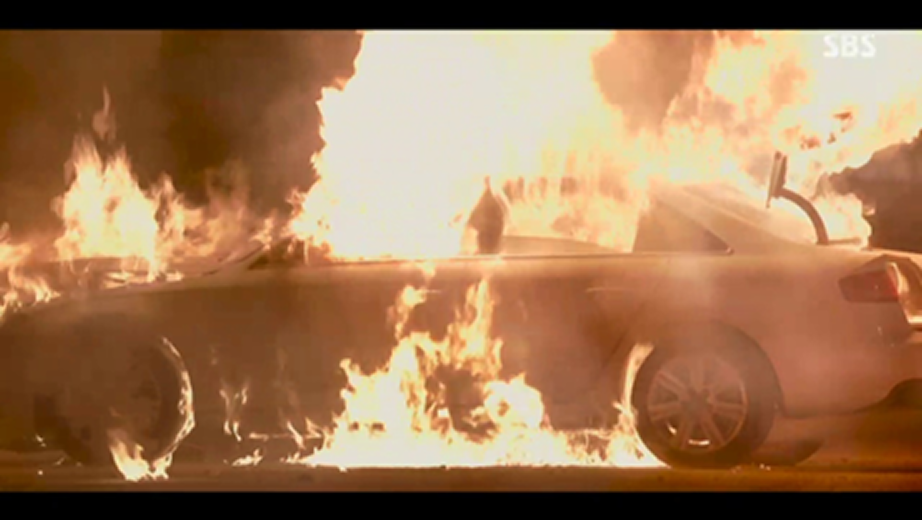
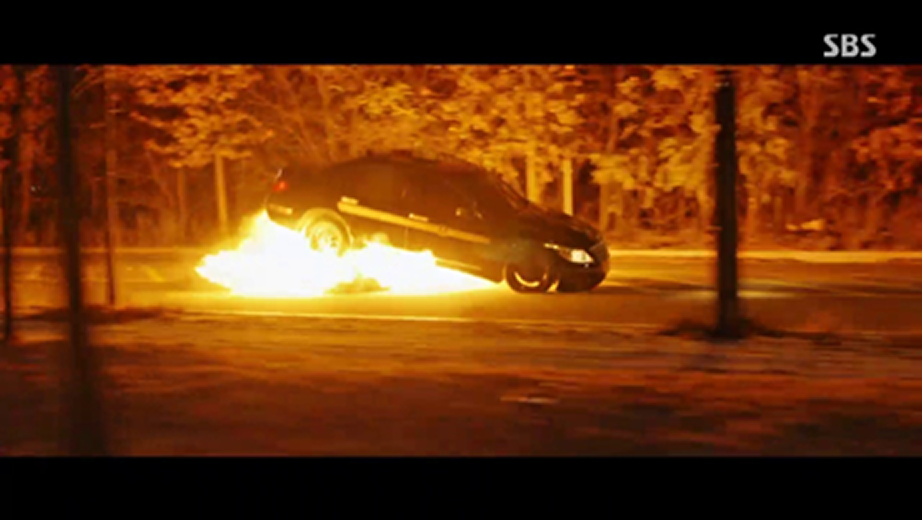
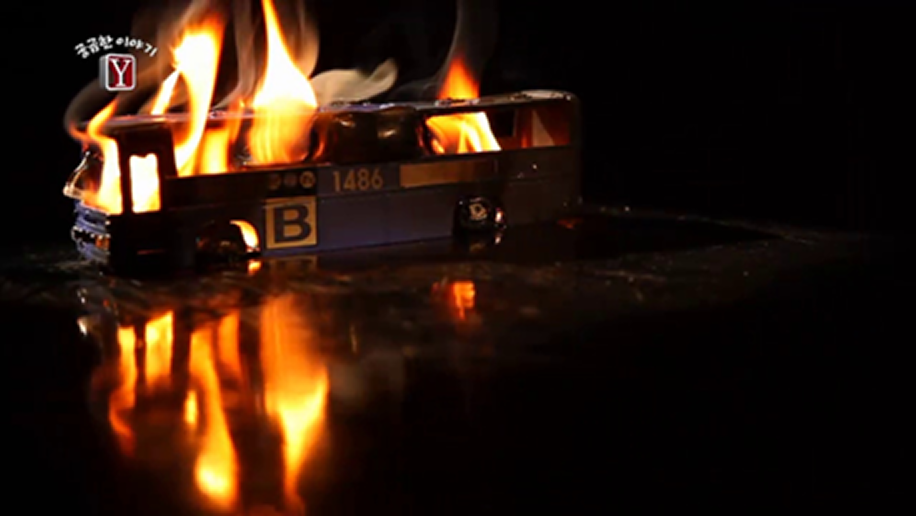
Burning car scene
-
01:23 / 01:30

-
04:57 / 05:00
-
08:12 / 09:00
-
12:46 / 13:00
-
09:30 / 10:00

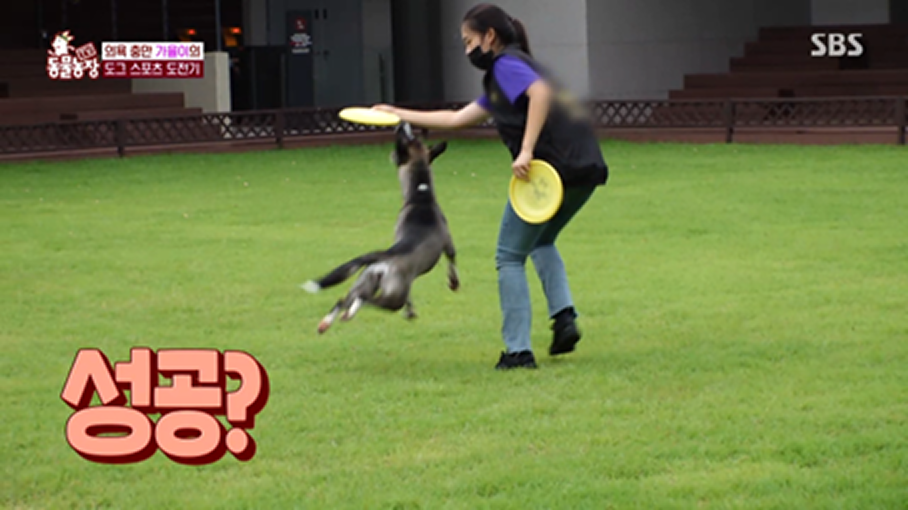
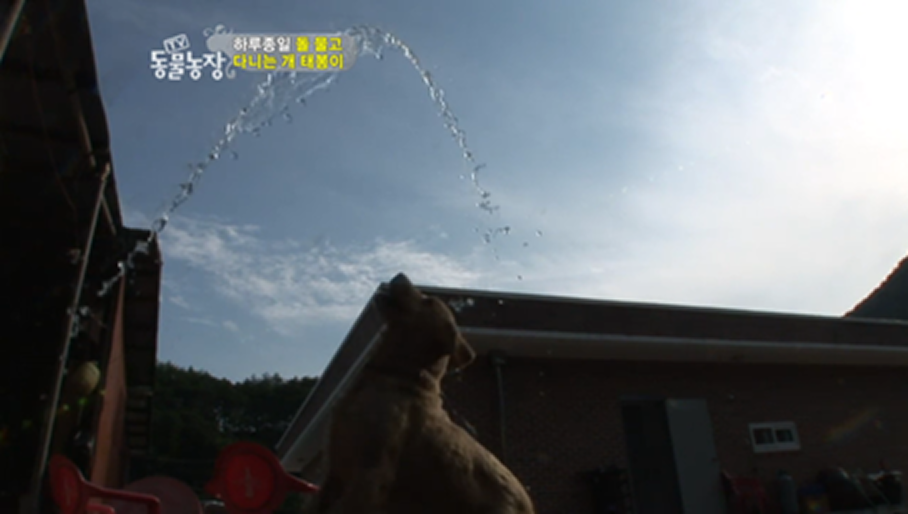
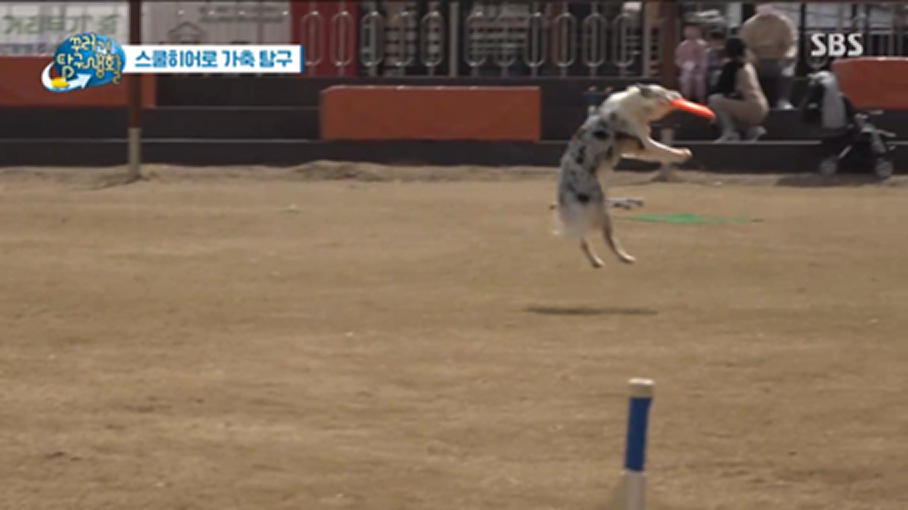
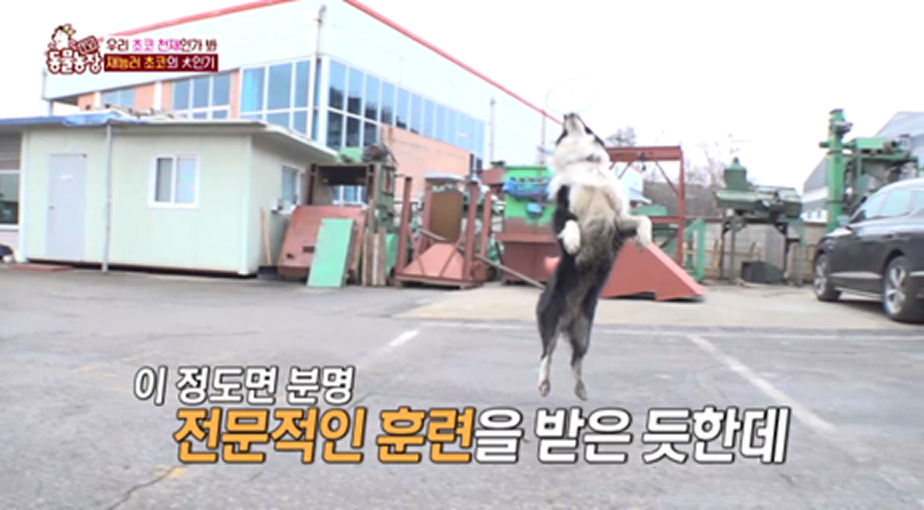
Dog jumping
-
01:23 / 01:30
-
04:57 / 05:00
-
08:12 / 09:00
-
12:46 / 13:00

-
09:30 / 10:00
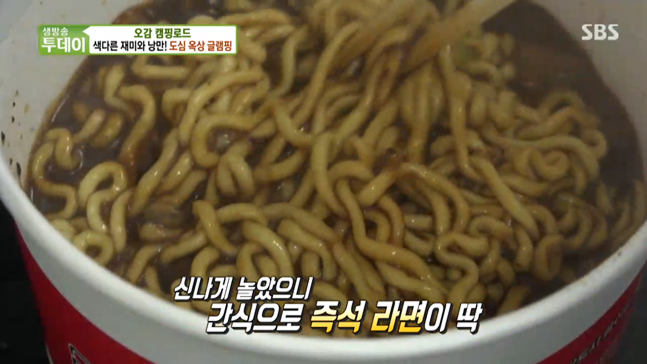
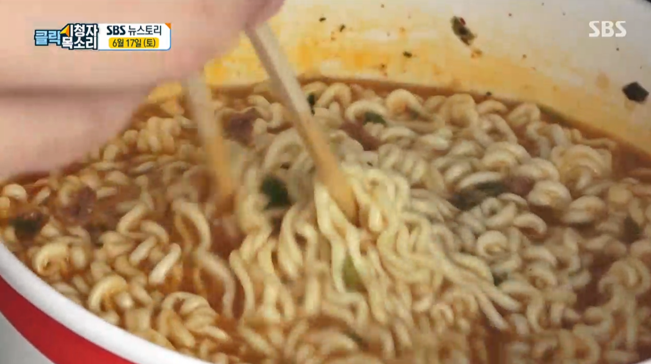
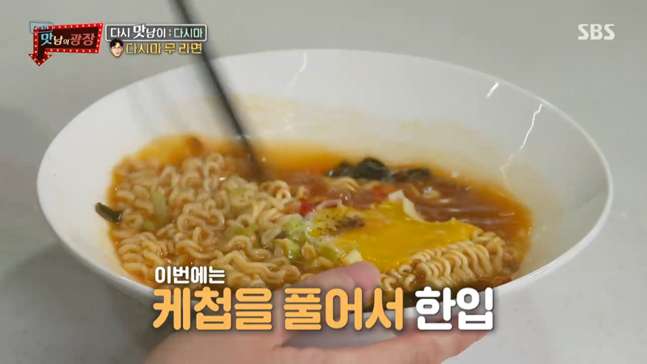
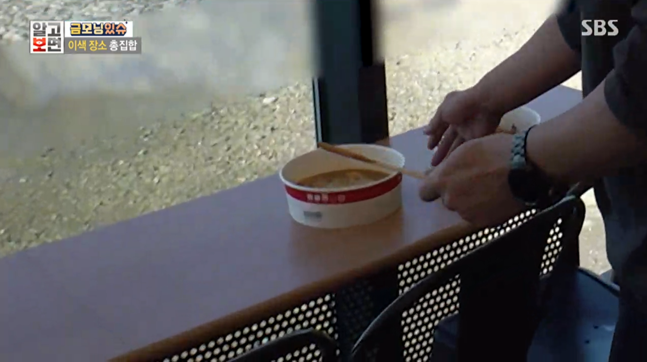
Ramen eating moment
-
01:23 / 01:30
-
04:57 / 05:00
-
08:12 / 09:00

-
12:46 / 13:00
-
09:30 / 10:00
Face Search
A single photo. Ten years of appearances, instantly retrieved
Face recognition technology. High-speed vector search.
Frame-level precision across every clip.
Find any appearance in seconds.
Accelerate research. Shorten the production cycle.
MultiModal Search
Beyond keywords Search by meaning.
Text and video mapped into the same semantic space.
Find the scene that truly matches your description.
Automated archive search.
Faster clip creation. Higher production quality.
Image DNA
One captured frame. The exact moment, precisely located.
Visual patterns and structural features extracted.
Matched against large-scale frame databases.
From viral screenshots to original footage.
Mashup-ready, instantly.
Action Recognition
Read actions within the frame.Classify scenes with context.
Motion patterns analyzed.
Behavioral metadata generated for search and insights.
“Smiling scenes.” “Eating moments.” Create highlight clips by action—fast.
Traditional method vs Media Labs,
what has changed?
Relying on memory and notes to find a video from three years ago.
Manually previewing footage to create mashup content.
Managing archive metadata through manual processes.
Search specific segments in seconds using face recognition and multimodal AI.
Discover viral video moments in real time with Image DNA technology.
From metadata extraction to archive search, AI manages the entire workflow.
Frequently Asked Questions
-
How does face search work?
펼치기
Facial features from a reference image are converted into vector embeddings and matched against large-scale video data. Results are delivered with frame- and timecode-level precision.
-
How is multimodal search different from subtitle or metadata search?
펼치기
The core is semantic retrieval beyond subtitles or keywords. Text descriptions and video segments are mapped into a shared meaning space to surface the most relevant scenes.
-
How does Image DNA technology locate the original footage from a captured image?
펼치기
Visual patterns, composition, and structural features from a captured image are transformed into Image DNA and precisely matched against an archive frame database to return the exact timecode.
-
What is the difference between face search and Image DNA, and when should each be used?
펼치기
Face search is person-centric—locating appearances of an individual. Image DNA is scene-centric—identifying the exact visual moment. Use face search for talent-based editing, Image DNA for tracing viral or specific scenes.
-
Can behavioral information be searched together with a specific person?
펼치기
Yes. Person-based and multimodal results can be combined at the segment level, enabling searches for specific individuals performing specific actions.
-
What kind of data does behavior recognition provide?
펼치기
Action recognition analyzes motion sequences to generate behavioral labels—such as eating, smiling, or running—along with their corresponding timestamps. This metadata powers search, classification, and highlight creation.
Get started today
Transform your production workflow with Media Labs